
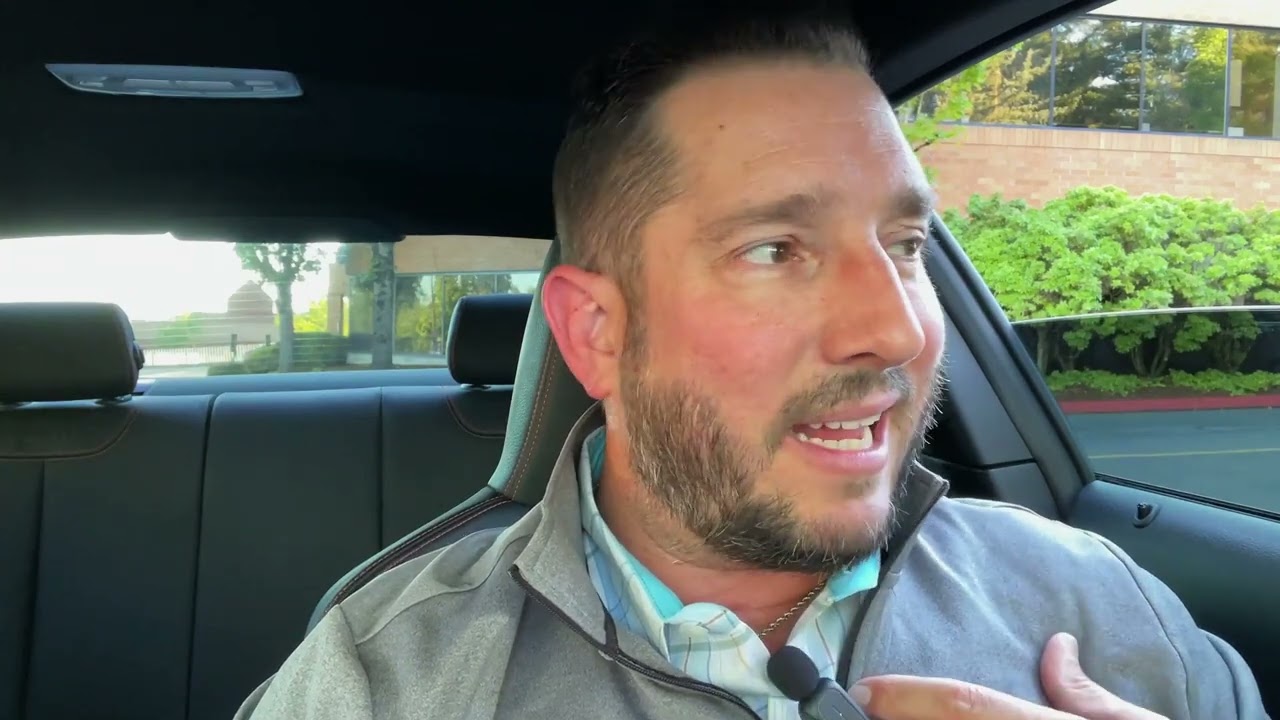
What should I expect during my first visit?
First things first, when you give us a call, you'll be greeted warmly and with a welcoming spirit. Everybody who works in our office is genuinely interested in meeting new people, getting to know them, and finding out how we can help.
When you first arrive at our office, you'll be greeted by the front desk, finish up any paperwork you might have, and then be shown to the back of the office. There, you'll meet our clinical team, including our assistants and hygienists, and then, in pretty short order, I'll come out and introduce myself.
One of the first things we get to do is get to know you before we find out about your teeth, goals, or concerns. I like to take a minute to get to know my patients, so some portion of that appointment is literally set aside for talking and getting to know each other.
The next part of the appointment is to find out about your teeth. What are your goals? What treatments have you had in the past? What things worked for you, and what things are likely not to work in the future? I don't want to recreate any pitfalls you've had in the past. In the same way, I'm eager to hear what you think will work well for you and what you've had success with before.
That's best done through a conversation, just sitting down knee to knee, eye to eye, and asking, "What brings you here? What things are you looking for? What things would you like to avoid?" In that way, we can really help frame out what's going to work for you.
What should I do if I'm nervous or afraid of going to the dentist?
There's no shame in saying so. If you can tell us, "Hey, this isn't my favorite place. I'm feeling nervous. I'm feeling apprehensive. I have concerns about being here. It's been a while since I've been to the dentist, and I just don't know what to expect," that helps us understand how we can make your experience more comfortable.
It lets our clinical team know that you're someone who would appreciate a little extra time and having us go the extra mile to explain the different steps, what your options are, and what things you might want to avoid. It really invites us into that conversation and lets us tailor the experience to you.
What should I expect if I come in with dental pain?
First things first, let's prioritize getting you out of pain. It's one of the most important things we can address during your first appointment, particularly if something is hurting that day. Please feel comfortable letting us know what's going on.
We'll focus on determining what's causing your dental pain and what we can do to help you feel more comfortable. Even if we have to pause everything else and focus directly on that problem, addressing your immediate dental needs would be our priority during that appointment.
What happens after my first dental appointment?
Let's say you came into the office, had your appointment, we got to look at everything, find out what your goals are, and perhaps make a plan together for something you'd like to get accomplished or fixed. What happens after that? We'll spend time making a plan of action.
Nothing happens without the consent of the patient. Nothing happens without the patient being in agreement with, "Hey, I'd like to treat one and two, but not three and four." That's okay with us as long as it's a safe and professional plan. We can work with that. Finding the times to do those procedures or that work would be the next order of business.
One of the most common questions I'll ask a patient is, "How fast or how slow would you like to work on this plan?" I hear a variety of answers, and that's why it's so important that you share your preferences with us. You may say, "Hey, I know I need to get this stuff done, but I need to take some time and go at my own pace." Another person might say, "As soon as I've decided that I'm going to fix something, I'd like you to get it done as quickly as possible." Please help us help you. Just let us know when you have those kinds of preferences.
What can I expect for communication and transparency?
One of the most important things we'll do at your appointment is make sure you and the clinical team are in agreement about what we should address and how we should address it. If something needs fixing, what is the procedure to get it fixed? Then, we'll map out a good time to get that done, including how much time it may take, what kinds of appointments you'll need, and what to expect along the way.
We'll also establish what your financial responsibilities are, including any applicable copays. Nobody likes financial surprises. That's something we take extra care to not just discuss with you, but also write down. You can leave with that information in a folder, binder, or simply on a sheet of paper if that's how you want it.
That gives people so much more comfort and confidence when they're leaving the office because they know there's a plan. They can also feel confident that the plan is compatible with their budget and expectations.
That makes me feel good at the end of the day. Even though a patient may not be happy that something needs to be fixed, the reality is that if treatment is necessary, we want you to feel comfortable that you understand what the work involves and what your financial responsibilities are. Having that written down in a way that's tangible and real can help alleviate a lot of the anxiety, fear, and concern about coming to the dentist.
You can understand the plan, how we're going to accomplish it, and approximately what it takes to get that done. That's been an absolute game changer in terms of giving patients agency over their own treatment, allowing them to approach it in their own way and understand what's going to happen at each appointment. We're really working toward our goal of zero surprises.
At Clackamas Smiles Family Dental, your smile is our priority. If you have any questions, don't hesitate to call our team at 503-786-3000, or you can email us at [email protected]. Our staff would love to talk with you!